The Ghana Association of Banks (GAB), in collaboration with the Bank of Ghana (BoG), has convened a Board of Directors Workshop to strengthen governance and oversight of cyber and information security risks within Ghana’s banking sector.
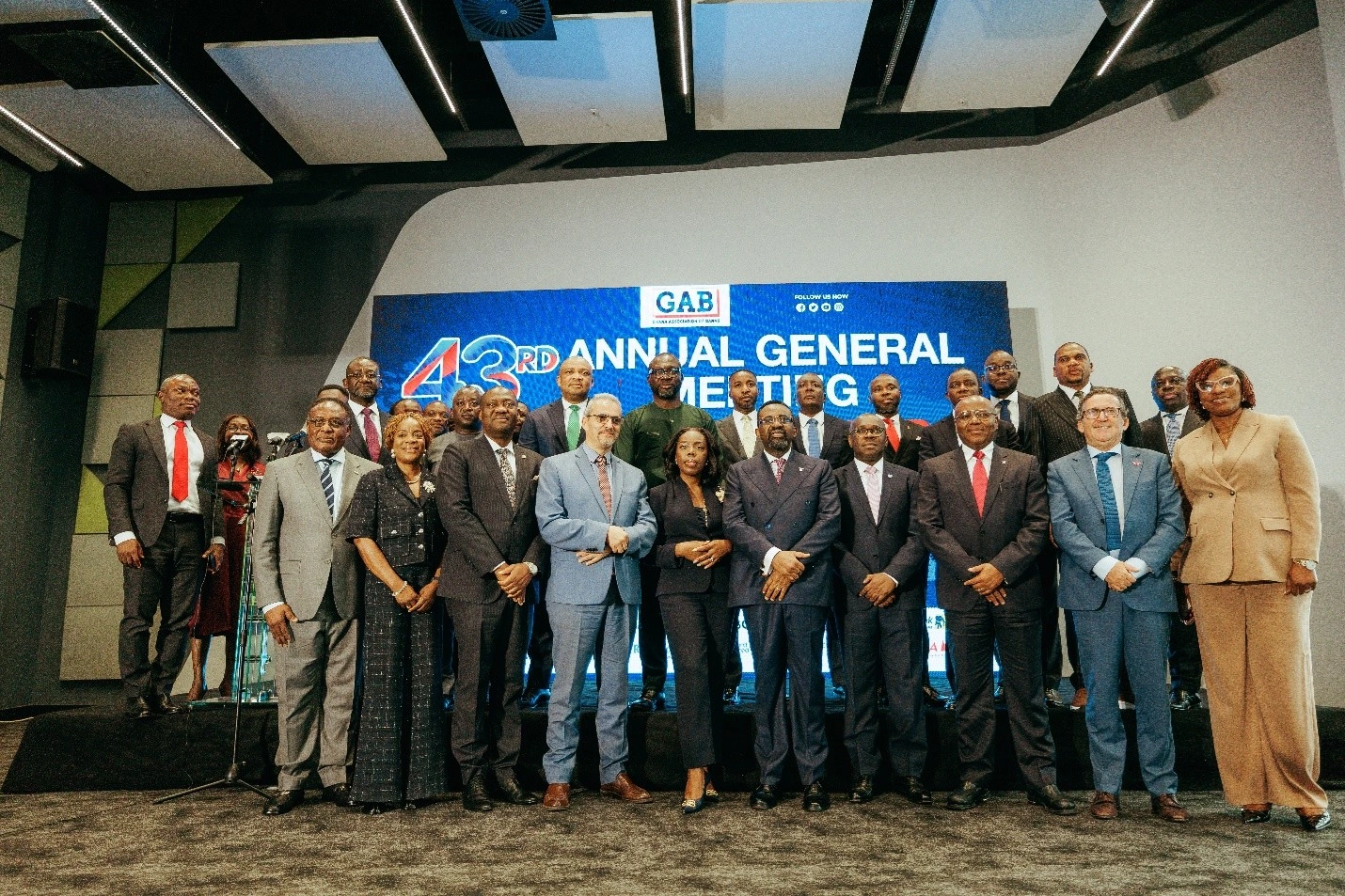

The event took place on Thursday, 8 October 2026, at the Ecobank Auditorium in Accra, bringing together the Governor of the Bank of Ghana, Dr Johnson Pandit Asiama, bank executives, members of the Association’s Governing Council and key industry stakeholders and partners, including the Bank of Ghana, KPMG, Chartered Institute of Bankers, Ghana (CIB Ghana), the Chartered Institute of Marketing, Ghana (CIMG), Association of Ghana Industries (AGI) among other stakeholders in the financial services industry.
The Chief Executive Officer of the Ghana Association of Banks (GAB), Mr. John Awuah, delivered the opening remarks, setting the tone for the 43rd Annual General Meeting and the launch of the sixth edition of GH Bankers’ Voice. He highlighted the resilience demonstrated by Ghana’s banking sector, supported by improving macroeconomic fundamentals and renewed economic stability. However, he cautioned that the progress made so far must serve as a foundation for greater achievements, stressing that the years ahead would matter even more as banks navigate rapid technological innovation, evolving customer expectations and emerging risks.
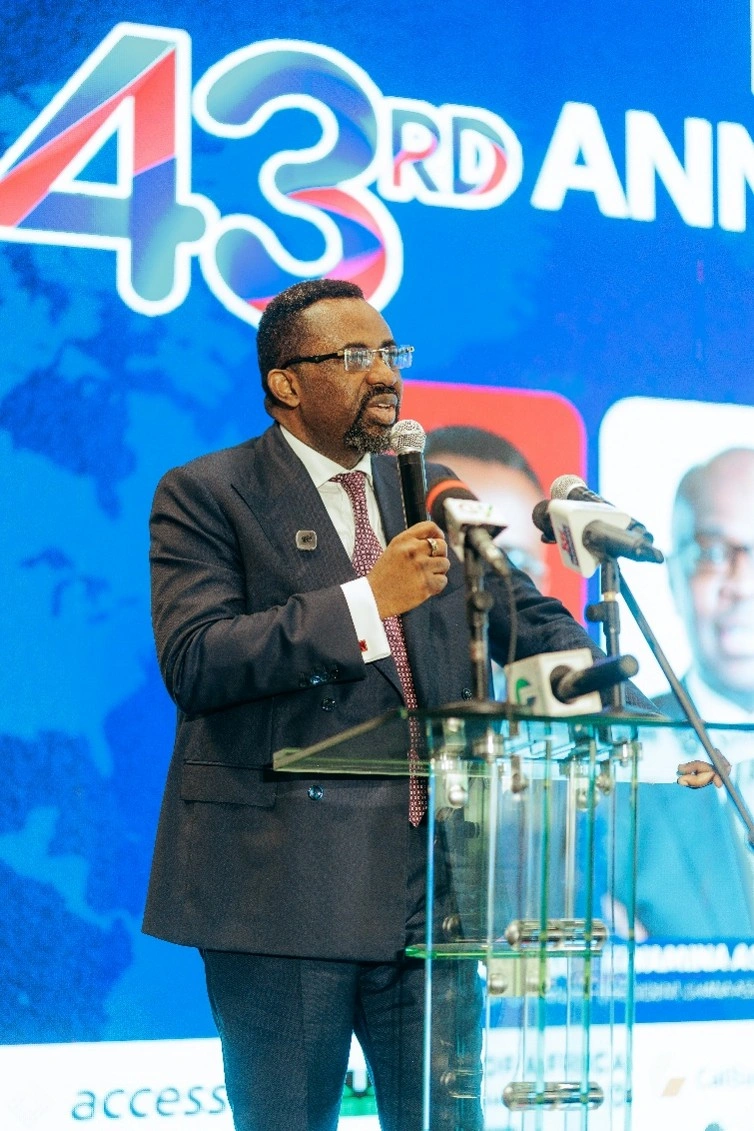
Delivering the keynote address, Dr Asiama acknowledged the important role of GAB in promoting collaboration across the banking industry and maintaining a constructive relationship with the central bank.
He noted that Ghana had made significant progress in macroeconomic stabilisation, with inflation remaining in single digits since September 2025, relative exchange-rate stability and improved banking-sector resilience.
According to the Governor, total banking-sector assets increased by 20.47 per cent to GH¢500.20 billion at the end of August 2026, from GH¢415.20 billion a year earlier. The Capital Adequacy Ratio also improved from 18.28 per cent to 19.10 per cent, while the Non-Performing Loans (NPL) ratio declined from 20.77 per cent to 15.66 per cent over the same period.
Dr Asiama, however, cautioned banks against interpreting these improvements as the end of the reform process. He stressed the need for stronger risk-management frameworks, sound corporate governance, adequate capital and liquidity buffers, and sustainable business models.
He also urged banks to intensify efforts to reduce their NPL ratios to the prudential limit of 10 per cent by the end of December 2026. This, he said, requires stronger credit underwriting, loan monitoring, collateral management, restructuring and recovery processes.
The Governor further highlighted the growing importance of liquidity risk management, stress testing, cybersecurity and operational resilience. He indicated that the Bank of Ghana was working on additional regulatory measures, including a Liquidity Coverage Ratio Directive, a Credit Risk Management Directive and a Directive on the Use of Artificial Intelligence in the Financial Sector.
He emphasised that the banking industry must be prepared not only to withstand current pressures but also to anticipate emerging risks associated with global financial uncertainty and technological change.

The President of the Ghana Association of Banks, Mr Kwamina Asomaning, expressed profound gratitude to key stakeholders for their contributions to the banking sector’s progress and the successful performance recorded in 2025. He extended particular appreciation to the Governor of the Bank of Ghana, Dr Johnson Pandit Asiama, for the Bank’s continued engagement with the industry, as well as to GAB’s key partners, bank Chief Executive Officers and Managing Directors for their leadership, cooperation and commitment to strengthening the sector.
Looking ahead, Mr Asomaning emphasised the need for banks to build resilience in an environment characterised by rapid technological innovation, evolving customer expectations and emerging financial risks. He called on banks to remain forward-looking and adaptable, stressing that the sector’s ability to sustain its progress would depend on how effectively institutions respond to change while maintaining sound governance and risk-management practices.
To guide the industry’s response, he introduced the ACID approach: Agile, Collaborate, Innovate and Discipline. He underscored the importance of being agile in responding to market changes, collaborating across the industry to address shared challenges, innovating to improve service delivery and competitiveness, and maintaining discipline in governance, risk management and operational practices. He noted that these principles would be essential to building a stronger, more resilient and sustainable banking sector amid the pace of change in financial services
As part of the audit reporting and related matters at the 43rd Annual General Meeting (AGM) of the Ghana Association of Banks (GAB), the audit report presented by Morrison and Associates was duly considered and accepted by the members. The auditors expressed reasonable assurance that GAB’s financial statements were free from material misstatement and presented fairly, in all material respects, in accordance with the applicable financial reporting framework. The meeting also approved the reappointment of Morrison and Associates as the Association’s auditor
The AGM provided an opportunity for members to review the Association’s activities and financial performance for 2025, consider the auditors’ report and address key governance and administrative matters.
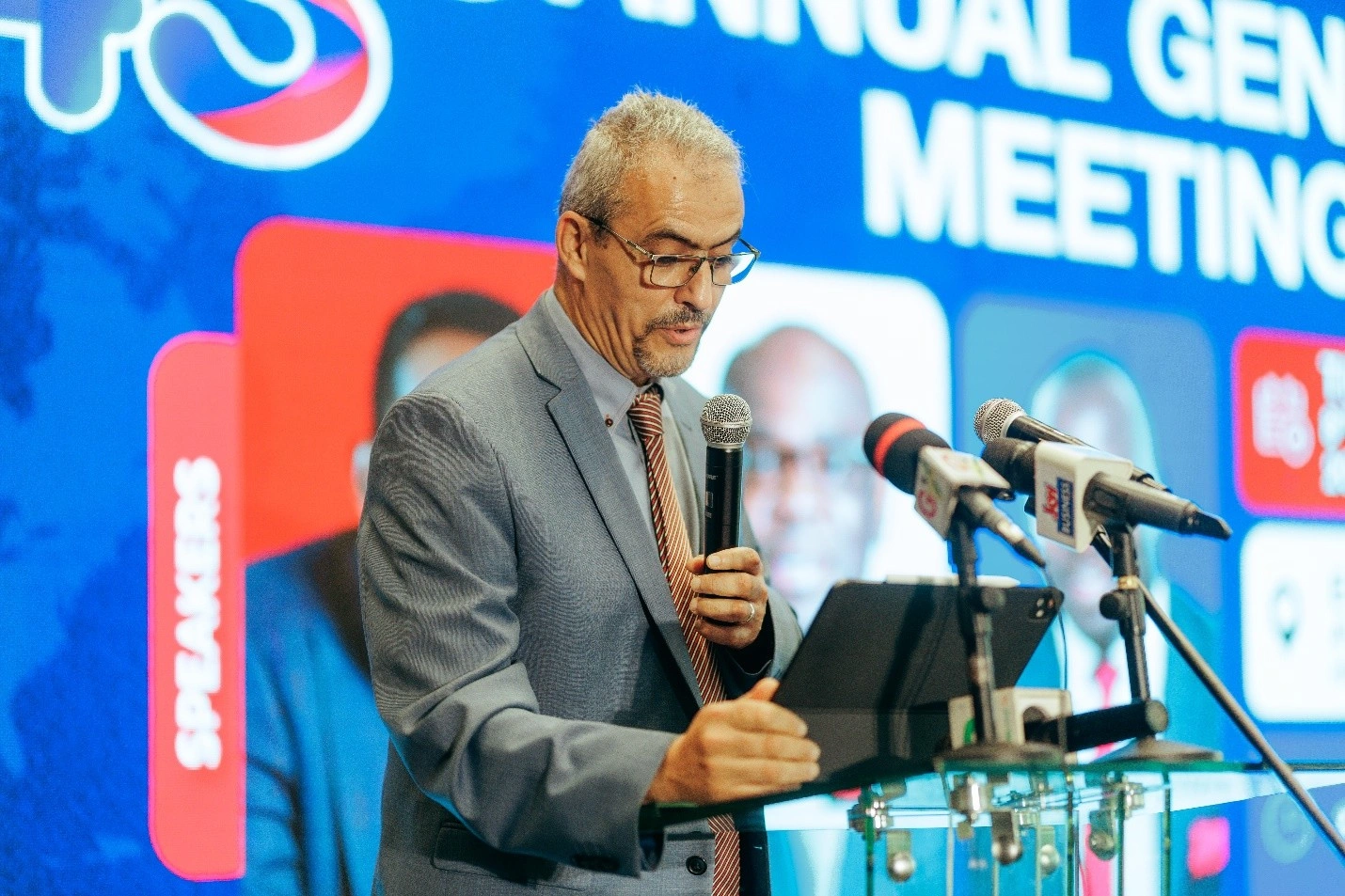
Mr. Hakimi Quozanni, Vice President of the Ghana Association of Banks (GAB), delivered the closing remarks and vote of thanks at the 43rd Annual General Meeting and launch of the sixth edition of GH Bankers’ Voice. He expressed appreciation to the Governor of the Bank of Ghana, member banks, industry partners, participating institutions and all stakeholders for their contributions to the successful organisation of the event. He acknowledged their continued support for the Association and the banking industry, bringing the programme to a close with a call for sustained collaboration among stakeholders.
During the second phase of the day’s event, Mr. Awuah also underscored the importance of GH Bankers’ Voice as a platform for the banking industry to share its perspectives, shape conversations and lead the narrative on issues affecting the sector. He described the publication as a must-read for everyone interested in banking and the broader financial services industry. He further announced that GAB would organise post-launch activities to provide opportunities for the magazine’s authors to discuss their contributions in greater depth, enabling readers to gain a fuller understanding of the ideas, insights and recommendations presented. He emphasised that the magazine represents the industry’s own voice and provides an important platform for shaping informed discussions on the future of banking in Ghana.
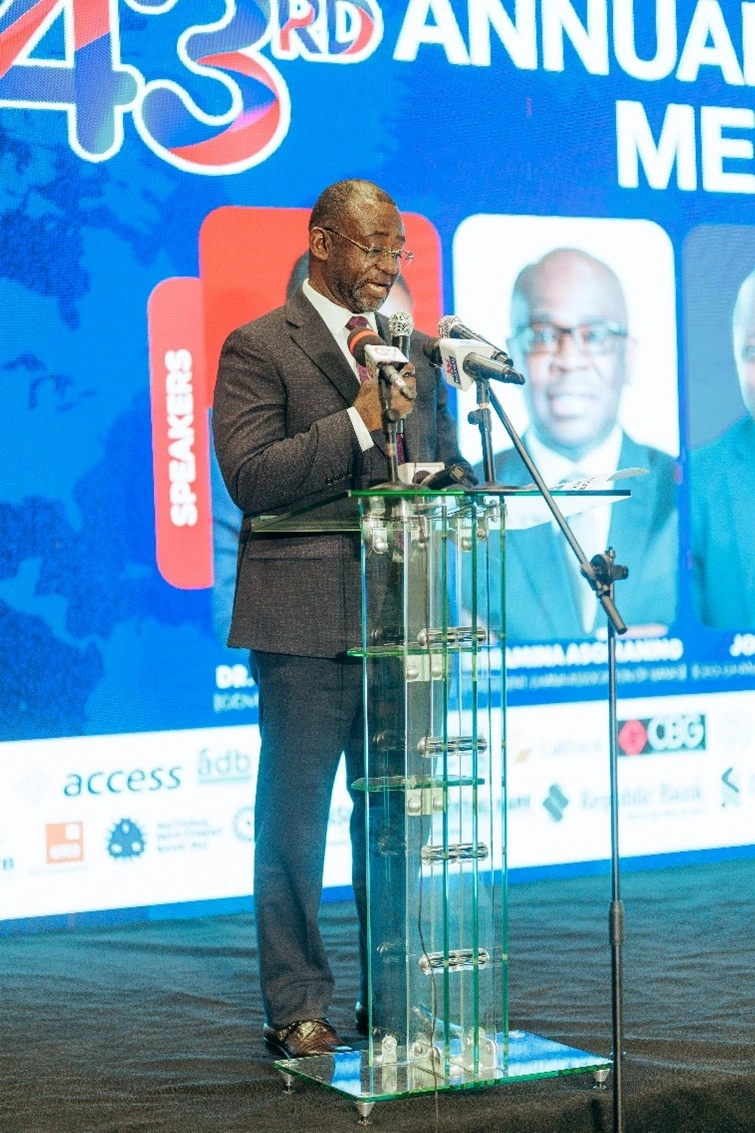
Mr. Andy Akoto, Country Managing Partner of KPMG, delivered remarks as the knowledge partner for the sixth edition of GH Bankers’ Voice. His contribution formed part of the launch programme, highlighting the role of collaboration between GAB and its partners in promoting industry knowledge and informed dialogue on Ghana’s banking sector. Mr Labaran Amidu, Partner in Financial Services Audit at KPMG in Ghana, subsequently presented highlights of the publication.

Mr Henry Onwuzurigbo, a member of the Governing Council of the Ghana Association of Banks, officially unveiled the sixth edition of GH Bankers’ Voice. The launch marked an important milestone in the Association’s commitment to documenting industry perspectives and providing a platform for banking professionals and other stakeholders to contribute to conversations on the sector’s development.
The AGM concluded with final words of appreciation from the CEO of the Ghana Association of Banks, Mr John Awuah, who thanked members and stakeholders for their participation and contributions to the successful meeting. He subsequently led the closing prayer, bringing the 43rd AGM to a close