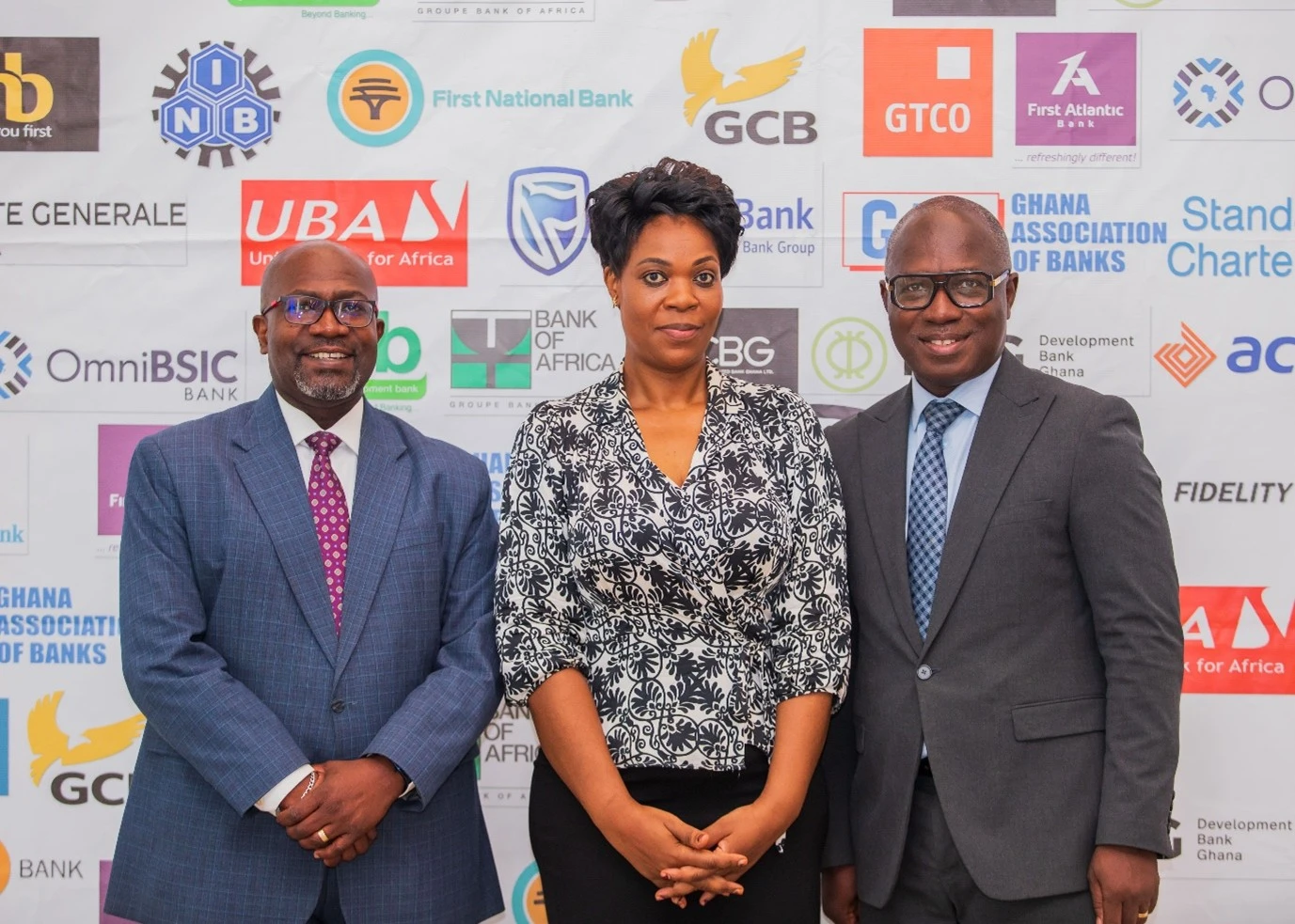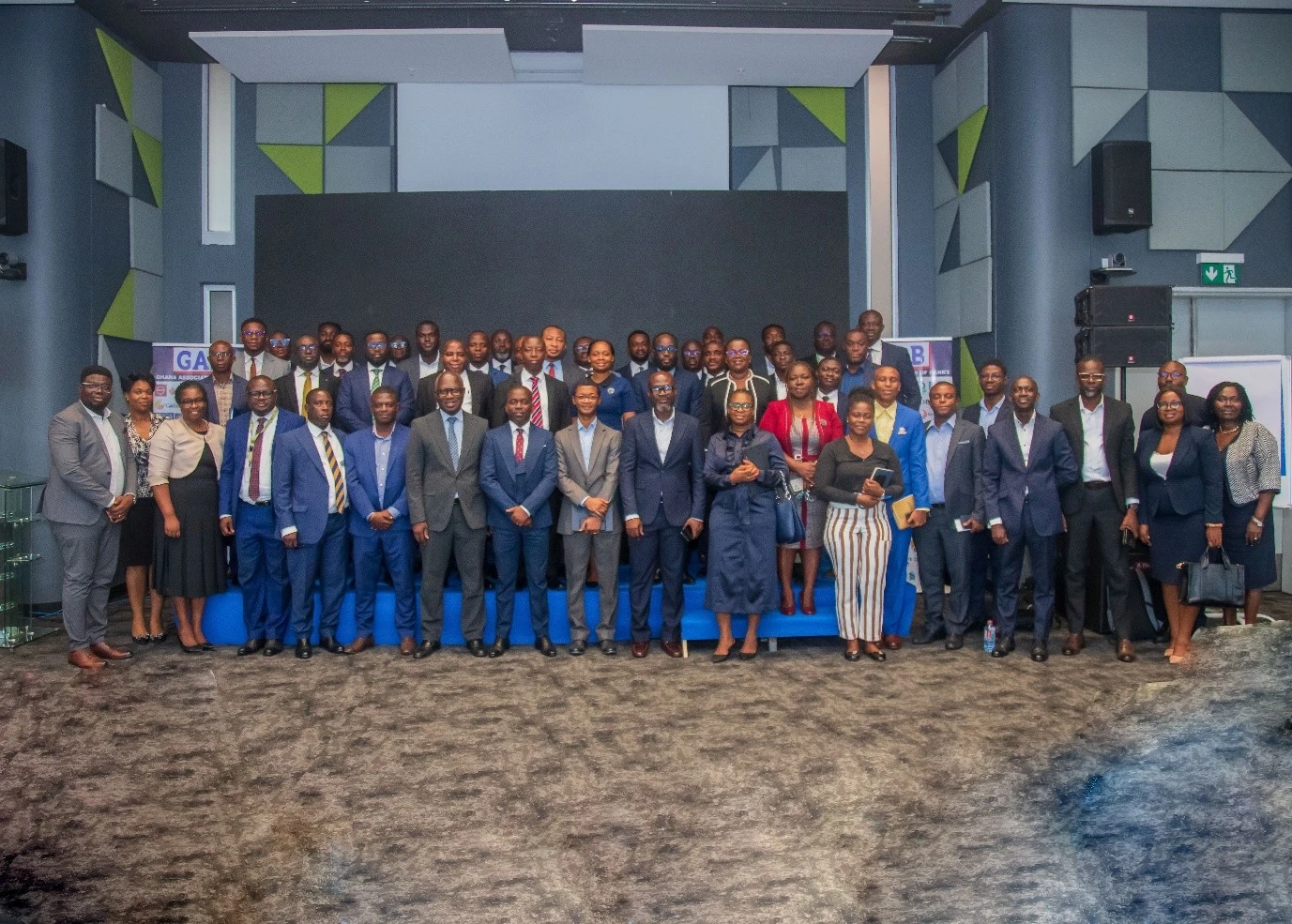
Delivering the opening remarks, the Chief Executive Officer of the Ghana Association of Banks, Mr. John Awuah, highlighted the growing complexity of the banking landscape, driven by digital transformation, evolving regulatory expectations, and increasingly sophisticated fraud and cyber threats. He emphasized the need for internal control systems to evolve beyond traditional compliance functions to become strategic enablers of innovation, resilience, and operational efficiency.
Mr. Kwame Sarpong Barnieh, Partner and Head of Advisory and Markets at KPMG, presented on the theme “From Control to Value Creation: The Strategic Role of Internal Controllers.” He underscored the importance of repositioning internal control functions as value-adding units that support business growth while maintaining strong governance and accountability structures.
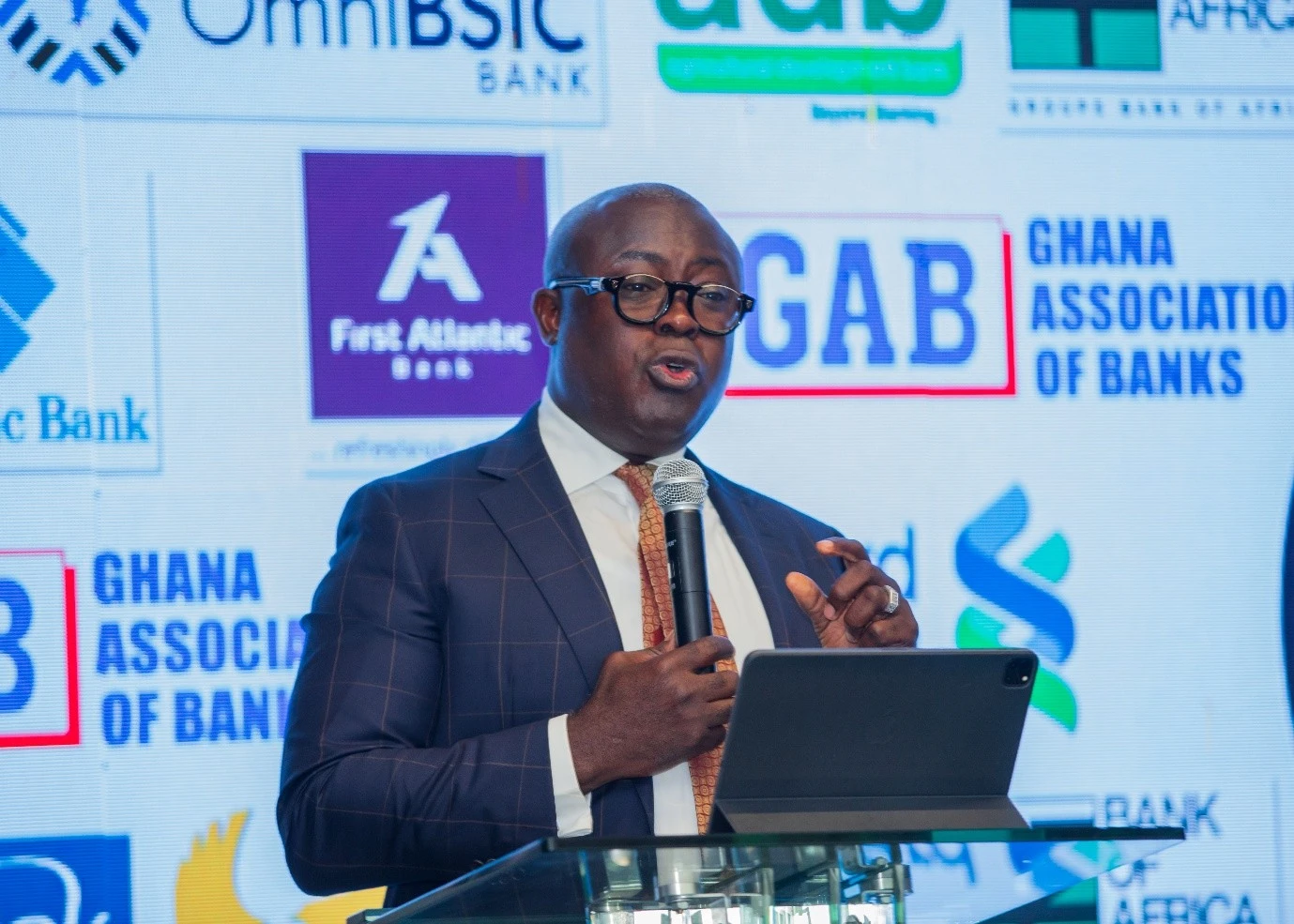
This was followed by a regulatory perspective from the Bank of Ghana, delivered by Dr. Samuel Okae, who provided insights into supervisory priorities, key risk areas within the banking sector, and common control weaknesses observed across institutions. He stressed the importance of proactive risk management, regulatory alignment, and strengthening institutional resilience in the face of emerging threats.
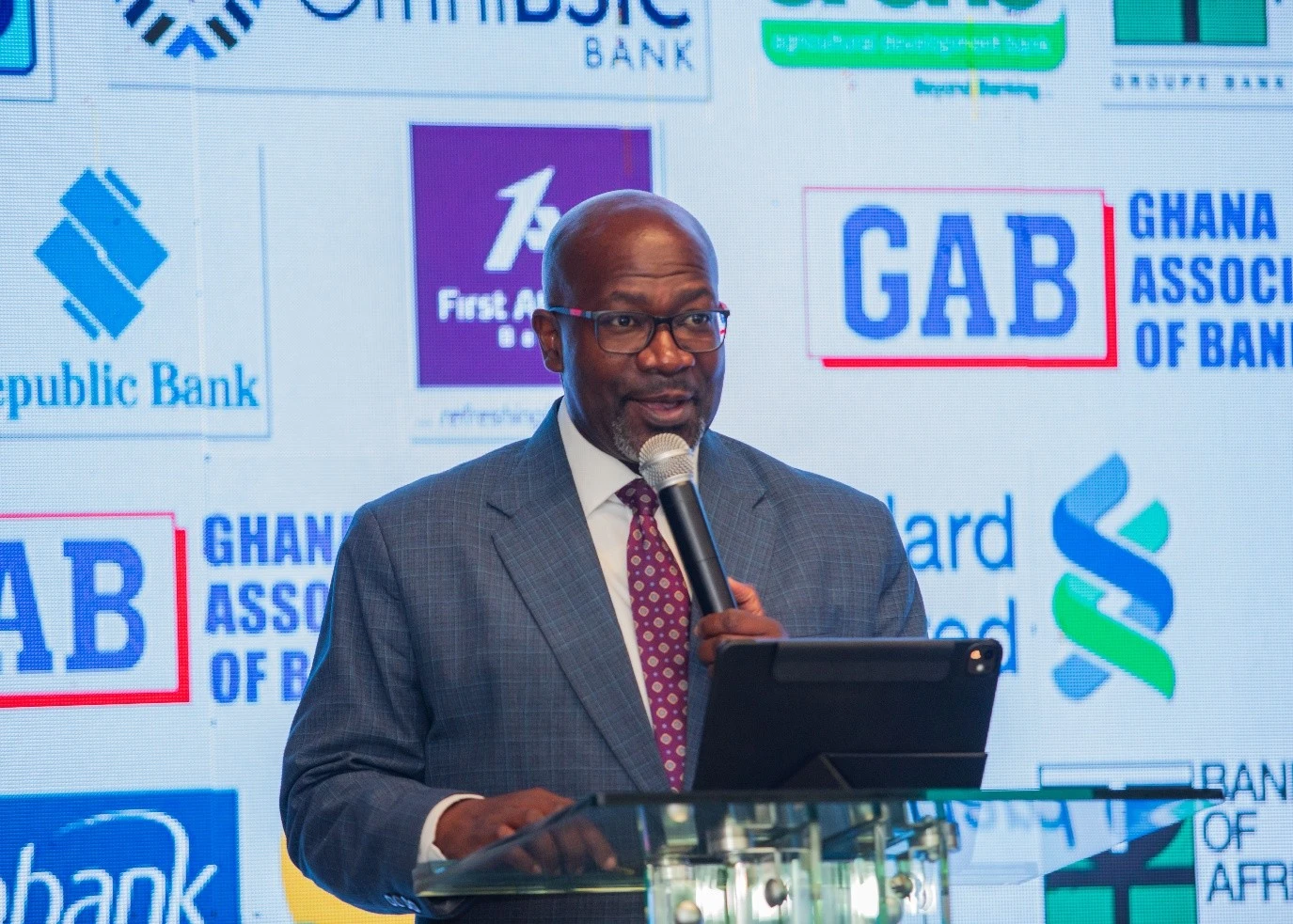
After a short networking session, the workshop resumed with a session on “The Insider Threat: Leveraging AI to Detect Internal Fraud,” led by Mr. Carlos Amoako, Chief Executive Officer of AlphaVector. The session explored the application of artificial intelligence and advanced analytics in identifying insider risks, enhancing fraud detection capabilities, and improving overall control effectiveness.
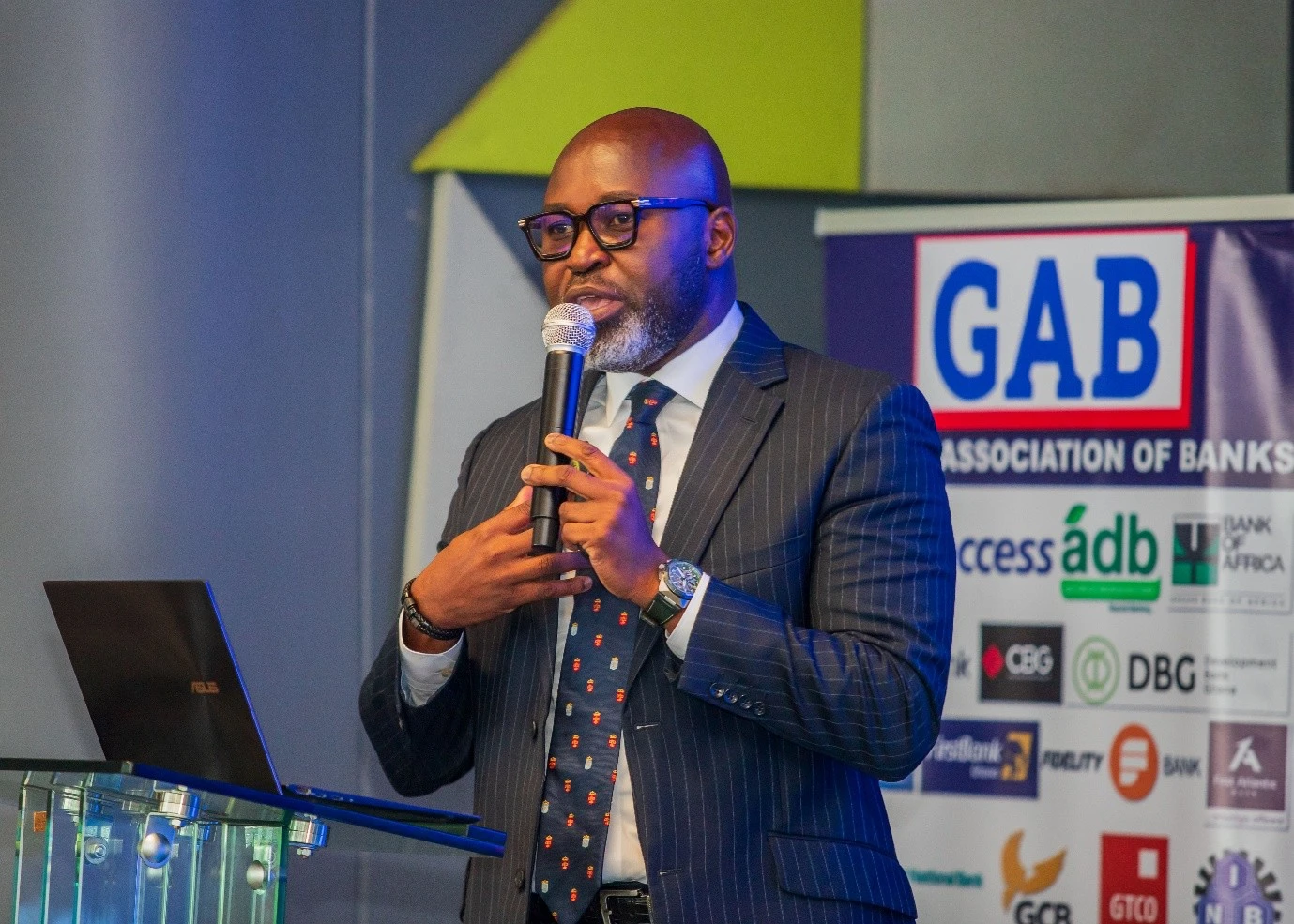
Participants then engaged in a case study presentation facilitated by Mr. Kwame Asante, which provided practical insights into real-world control failures and response strategies. The exercise highlighted critical gaps in traditional control systems, particularly the limitations of static monitoring tools and the importance of continuous control validation in digital banking environments.

The Executives of the GAB Anti-Fraud Forum Network, presented on the “Fraud Trends in Electronic and Alternative Delivery Channels.” The discussion examined evolving fraud typologies across digital platforms, including mobile and online banking channels, and outlined industry-level strategies to mitigate associated risks.

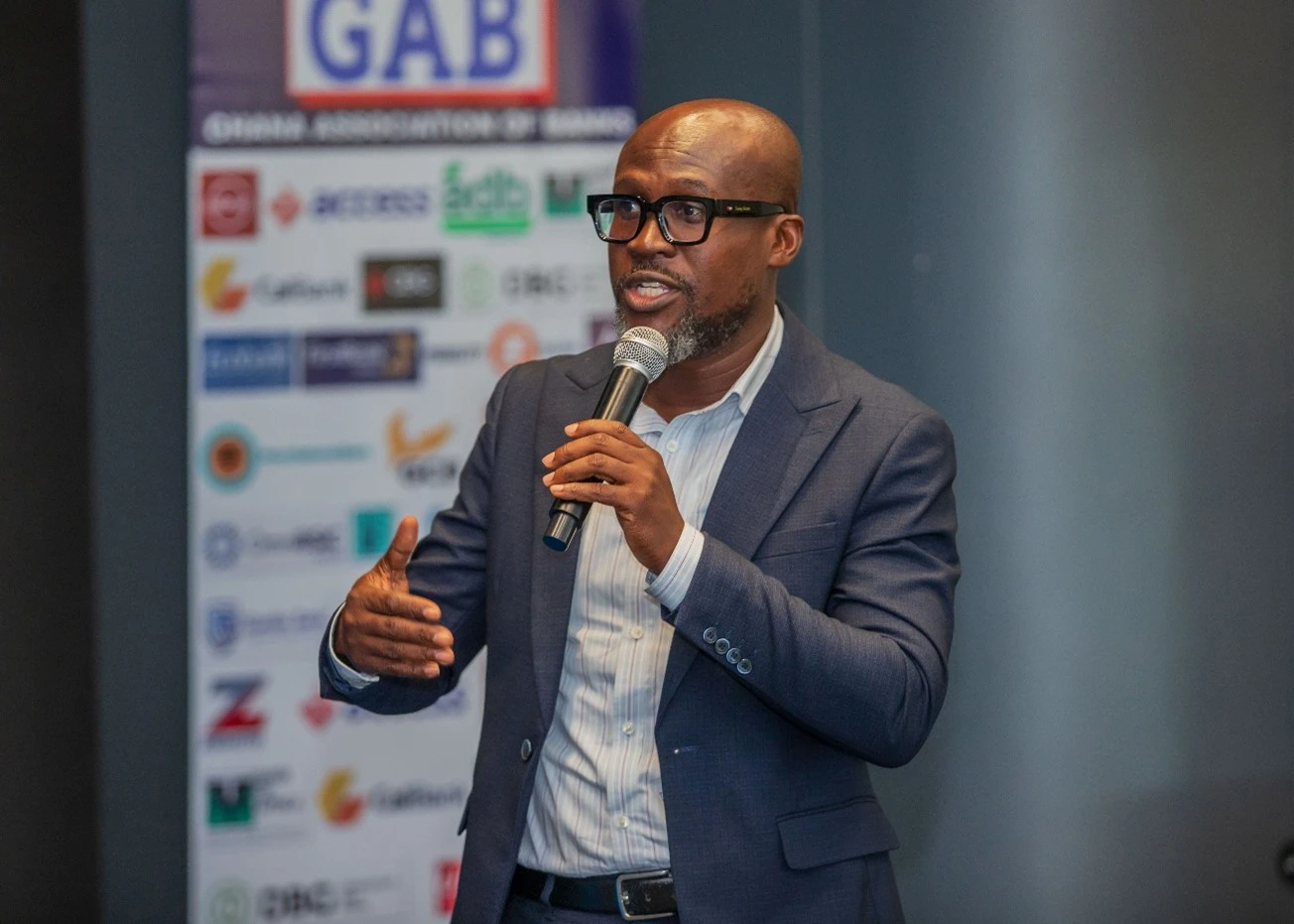
An interactive question and answer session followed, allowing participants to engage directly with the speakers on key issues, share perspectives, and clarify practical implementation challenges.


The programme concluded with closing remarks and a vote of thanks delivered by the President of the Internal Control Network of the Ghana Association of Banks, Mr. Albert Bartlett, who reiterated the importance of collaboration, continuous learning, and industry-wide commitment to strengthening internal controls.

The workshop forms part of the Ghana Association of Banks’ broader commitment to strengthening the resilience, stability, and integrity of Ghana’s banking sector. By fostering collaboration between industry players and regulators, the Association continues to play a pivotal role in promoting best practices, enhancing risk management frameworks, and supporting safe innovation across the financial ecosystem.
The event concluded with a call to action for banks to embrace data-driven assurance, invest in modern control technologies, and build agile frameworks capable of responding to emerging risks while enabling digital growth. Participants also reaffirmed the need for sustained industry dialogue and knowledge sharing to ensure that internal control systems remain robust, adaptive, and future-ready.